
ACL Tear Prevention: A Guide for High School Soccer Players
Learn how high school soccer players can reduce their risk of ACL injuries through targeted neuromuscular training and evidence-based movement patterns.
By jay.moore
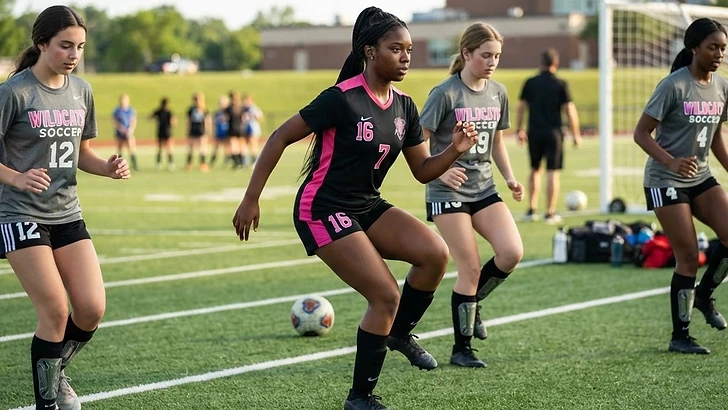
The Reality of ACL Injuries in Soccer
Anterior Cruciate Ligament (ACL) tears remain one of the most feared injuries in youth soccer. For high school athletes, the impact of an ACL tear extends beyond the pitch, affecting academic performance and mental health. However, research suggests that a significant percentage of non-contact ACL injuries are preventable through structured neuromuscular training.
The Mechanism of Injury
Most non-contact ACL injuries occur during rapid deceleration, cutting maneuvers, or awkward landings. When an athlete lands with a flat foot, knee valgus (knees caving inward), or excessive trunk lean, the mechanical stress on the ACL increases significantly. Understanding these mechanics is the first step toward building a more resilient athlete.
Key Prevention Strategies
Prevention is not about avoiding movement; it is about teaching the body to move with efficiency and control. Implementing a consistent program is essential for long-term health.
- Neuromuscular Training: Focus on balance, proprioception, and agility. Exercises like single-leg RDLs and Bulgarian split squats help stabilize the joint.
- Plyometric Precision: Landing mechanics are critical. Athletes must practice 'soft landings'—absorbing impact through the hips and knees rather than keeping legs locked.
- Strengthening the Posterior Chain: The hamstrings act as a primary stabilizer for the ACL. Emphasizing eccentric hamstring work, such as Nordic hamstring curls, is essential.
- Core Stability: A strong core allows for better force distribution during high-speed cuts, reducing the reliance on the knee to stabilize the entire torso.
Incorporating Training into Your Routine
You do not need hours in the gym to see results. Integrating a 10-15 minute neuromuscular warmup before every practice session is more effective than an occasional heavy lifting session. Consistency is the most important variable in injury prevention.
Monitoring and Recovery
At SteadField, we believe that tracking your physical readiness is the bridge between training and safety. By monitoring load and fatigue, athletes can identify when they are at a higher risk of injury due to overtraining. Maintaining centralized medical records and communicating with your care team allows for a proactive approach to health rather than a reactive one.
Conclusion
While no prevention strategy can guarantee total immunity from injury, implementing evidence-based movement protocols significantly shifts the odds in your favor. Focus on the quality of your movement, prioritize recovery, and listen to your body. Your long-term performance starts with the care you take today.
An ACL tear can sideline a high school soccer season, but many are preventable. Check out our latest guide on neuromuscular training and movement mechanics to keep your athlete on the pitch. #SteadField #Soccer #ACLPrevention #YouthSports
High school soccer players face a high risk of non-contact ACL injuries. We have outlined evidence-based prevention strategies to help athletes build resilience and reduce injury risk through better movement mechanics. Read the full article to learn more about protecting our next generation of athletes.
Help your athlete stay in the game! Check out our latest guide on preventing ACL injuries through smart, simple movement training. ⚽💪