
Biomechanical Assessments: Proactive Injury Prevention for Pitchers
Learn how objective biomechanical data empowers pitchers to identify movement inefficiencies before they lead to season-ending injuries.
By SteadField
The Shift Toward Predictive Performance
In the high-stakes environment of professional and collegiate baseball, the difference between a career-best season and a trip to the operating room often comes down to micro-movements. For pitchers, the repetitive nature of the throwing motion places extreme stress on the ulnar collateral ligament (UCL) and the shoulder complex. Traditionally, injury prevention was reactive—treating inflammation or pathology only after pain signaled a problem. At SteadField, we advocate for a proactive approach: the biomechanical assessment.
What is a Biomechanical Assessment?
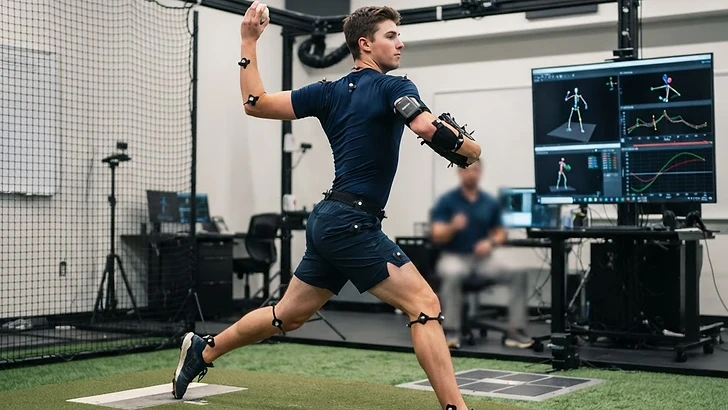
A biomechanical assessment uses motion capture technology, force plates, and kinematic sequencing analysis to create a digital fingerprint of a pitcher’s delivery. Instead of relying on the 'eye test,' coaches and medical staff can now quantify joint loading, arm slot consistency, and trunk rotation efficiency. By measuring these variables, we can pinpoint mechanical 'leaks' that place undue stress on specific joints.
Key Metrics to Monitor
To move from reactive to proactive, athletes must monitor objective data points that correlate with injury risk. Key metrics include:
- Kinematic Sequencing: Ensuring the kinetic chain begins from the ground up, moving from the pelvis to the torso, and finally the arm. Breaks in this sequence often lead to compensatory strain.
- Shoulder-Hip Separation: Measuring the delay between hip rotation and shoulder rotation. Adequate separation is vital for velocity, while insufficient separation forces the arm to work harder.
- Lead Leg Block: The ability of the front leg to stabilize upon landing. A weak lead leg block causes energy to dissipate poorly, forcing the shoulder and elbow to absorb residual forces.
- Arm Slot Consistency: Variations in arm release point can indicate fatigue or improper mechanics, which are leading indicators of potential injury.
Integration and Care Coordination
Collecting data is only half the battle. The true advantage of a system like SteadField is the ability to centralize this data for your entire care team. When your pitching coach, physical therapist, and strength trainer are looking at the same objective report, the training plan becomes cohesive. If your biomechanical assessment reveals a lack of thoracic mobility, your strength coach can implement corrective exercises while your pitching coach adjusts your drill work to accommodate these physical limitations.
The Role of Granular Privacy
We understand that biomechanical data is highly personal and competitive. Pitchers often fear that revealing mechanical vulnerabilities could impact their draft stock or contract negotiations. That is why SteadField prioritizes granular privacy controls. You dictate who sees your data—whether that is your personal PT, your team organization, or only yourself. This security allows you to focus on the science of performance without the fear of compromising your private health records.
Building a Sustainable Career
Injury prevention is not about perfection; it is about resilience. By utilizing biomechanical assessments, you are not trying to turn yourself into a robotic replica of another pitcher. Instead, you are optimizing your own unique delivery to be as efficient as possible. By reducing unnecessary stress on your joints through informed mechanical adjustments, you preserve your most valuable asset: your arm. Start taking ownership of your health by scheduling your baseline assessment today and ensuring your care team is connected to your long-term success.
Are you treating injuries or preventing them? Discover how biomechanical assessments can help pitchers identify mechanical leaks before they lead to downtime. Read more on the SteadField blog. #Pitching #InjuryPrevention #SportsScience #BaseballDevelopment
In professional sports, objective data is the key to longevity. Our latest article explores how biomechanical assessments allow pitchers to optimize their delivery and proactively mitigate injury risks. Read the full breakdown on the SteadField platform.
Take the guesswork out of your pitching mechanics and start training smarter for a healthier season! ⚾ Check out our guide to biomechanical assessments. #SteadField #Baseball