
Post-Surgery Mobility Exercises for Faster Joint Rehabilitation
Maximize your recovery timeline with these evidence-based mobility exercises designed to restore joint function and reduce scar tissue buildup after surgery.
By jay.moore
The Science of Early Post-Surgical Movement
Modern orthopedic recovery has shifted away from prolonged immobilization toward controlled, early-stage movement. When you undergo surgery, the surrounding tissues often experience stiffness due to inflammation and the body's natural healing response. Integrating structured mobility exercises is essential to prevent permanent restrictions in range of motion (ROM) and to encourage healthy collagen alignment in repairing tissues.
Why Mobility Matters
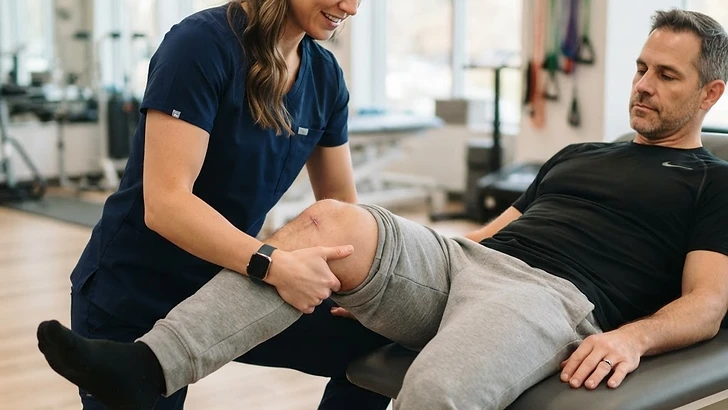
Mobility differs from flexibility. While flexibility focuses on muscle lengthening, mobility is about your joint's ability to move actively through a pain-free range. By starting targeted exercises early in your recovery—under the guidance of your surgeon or physical therapist—you improve local blood flow, reduce edema, and provide the mechanical stimulus necessary for tendons and ligaments to regain tensile strength.
Phase 1: The Initial Mobilization
In the first few days or weeks following surgery, your primary goals are protecting the incision site while preventing contractures. Focus on the following techniques:
- Gentle Isometrics: Contracting the muscles surrounding the joint without moving the limb. This maintains neurological firing patterns and minimizes atrophy.
- Active-Assisted ROM: Using a strap, a pulley, or your opposite limb to guide the surgical limb through a gentle, controlled range. This allows you to control the intensity while ensuring the joint does not remain static for too long.
- Circulation Pumps: Simple repetitive movements like ankle pumps or wrist rotations help combat the pooling of fluids and reduce the risk of secondary complications like blood clots.
Phase 2: Restoring Functional Range
Once medical clearance is given to move beyond protective ranges, the focus shifts to restoring functional capacity. This is the period where most athletes notice significant progress.
- Controlled Articular Rotations (CARs): These are active, rotational movements at the outer limits of your range. By performing these slowly, you map the joint's movement patterns and build strength in end-range positions.
- Dynamic Stretching: Moving through a full range of motion rather than holding static positions. This keeps the tissue hydrated and responsive.
- Progressive Loading: Once basic mobility is restored, introduce very light resistance. Even in the early stages, mechanical tension is a signal for the body to reinforce tissue structure.
Precautions and Safety
No rehabilitation program should be a 'one-size-fits-all' approach. Before beginning any regimen, ensure you have reached the necessary clinical milestones. Look for these warning signs to pause your activity:
- Sharp, piercing pain that does not subside after movement.
- Excessive or abnormal swelling following a session.
- New or unusual bruising around the surgical site.
- Sensations of mechanical blocking or clicking that feel different from baseline surgical feedback.
Consistency over intensity is the golden rule of post-surgical recovery. It is far more effective to perform five minutes of high-quality movement every few hours than to attempt a single, grueling session that leaves your joint inflamed for the rest of the day. At SteadField, we believe that tracking these micro-progressions is the key to returning to your peak performance safely and systematically.
Struggling with stiffness after surgery? Early, controlled mobility is the key to long-term joint function. Learn the science behind faster rehab and how to structure your recovery effectively. Read more: [Link] #Recovery #PhysicalTherapy #SteadField #AthleteHealth
For athletes and high-performers, surgery is not the end of the line—it is the beginning of a structured return to form. Our latest article breaks down the evidence-based mobility protocols that facilitate faster joint rehabilitation and prevent long-term functional loss.
Don't let post-surgery stiffness hold you back from your goals. Discover how to safely restore mobility and get back to peak performance faster! 🚀 [Link]